

In high school, there is extensive pressure pushed onto athletes to play through hard times. Coaches, teammates, and fans celebrate athletes who persevere through discomfort and stand back up after taking a knee. But risking one’s health to stay on the field has lifelong consequences, longer than any moment of glory is worth.
While the desire to return to play after an injury is understandable, evidence suggests it’s not always be in the best interest of an athlete.
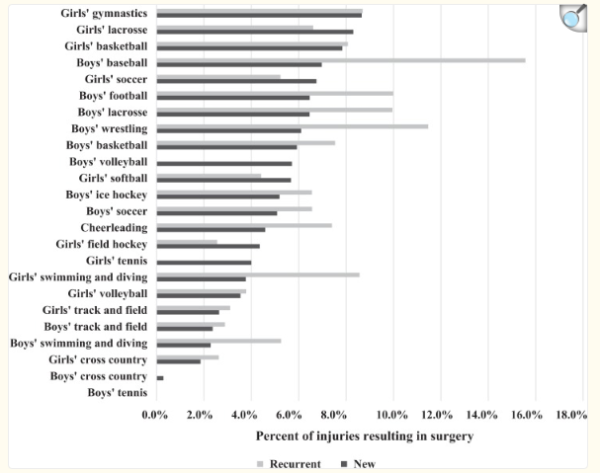
Injuries in sports are not unheard of; according to the American Academy of Orthopaedic Surgeons, high school sports in the U.S. see around 2.29 injuries per 1,000 athlete exposures, which translates into millions of injuries annually. Among this data, the most common injuries are sprains/strains (36.8%) and concussions (21.6%). Furthermore, approximately 10.5% of athletes experience repeated injuries, exacerbating the risk of long term damage.
“I had injured my right knee in the middle of my cross country season, which I thought was minor and I kept running on it because I wanted to help my team,” sophomore cross country and track athlete Diya Shrestha said. “At the end of my cross country season, [because] I didn’t treat [my injury] properly when it occurred, the pain was evident in the last meets causing me to down perform.”
While it may be difficult to watch from the sidelines, it is extremely necessary to recover fully before returning. The primary concern when playing through injuries is that it can lead to more damage. Along with this, the recovery may require surgery, which would bench the athlete for more time than natural recovery would take.
Some injuries, like concussions, have long-lasting implications. While the short-term effects of a concussion may seem minor, repeated head injuries can lead to long-term cognitive issues, such as memory problems, difficulty concentrating, and more constant headaches. According to the Centers for Disease Control and Prevention (CDC), students who suffer multiple concussions are at a higher risk for permanent neurological damage.
Additionally, injuries to the knee or ankle can lead to chronic pain or possible mobility issues later in life, especially if they are not treated with proper care. The long-term effects of returning to play early are too significant to ignore.
In severe cases, an injury can lead to loss of scholarship opportunities, because they can sideline the athlete and prevent them from performing. Along with mobility issues, psychological damage can be caused by injuries. Not being able to participate a sport that is important to one’s identity is damaging and can lead to feeling of isolation and depression, with depressive symptoms increasing after injuries.
In spite of the risks, there are arguments in favor of injured athletes prematurely returning to their sport. As mentioned, a sport can be central to one’s identity, and being sidelined can cause fear of falling behind teammates, and the loss of one’s athletic identity. For some athletes, the choice to return to play is their only way to preserve their daily routine and not feel discluded.
Peer pressure is also a contributing factor, as athletes are pushed to continue to play by family members, coaches, and teammates. While the pressure of returning to play is heavy, the long-term effects of injuries are more dangerous. Playing it safe is often the better option because it minimizes risks, prevents potential negative outcomes, and ensures a more predictable and stable path forward. Furthermore, being able to cheer teammates on from the bleachers or sidelines is a much better alternative than a hospital bed.
Throughout my high school career I have seen friends, teammates, and even my own family members face injuries from sports. While some seeked immediate attention and recovery, others pushed through the pain and now deal with the life-long consequences. All of this is not worth a few extra games. I believe that sports should be an outlet for stress relief, not something that causes stress. With the winter sports season starting and many athletes also preparing for their spring season, remember that sports are not everything and to take the time to recover if necessary.
While the culture of “toughness” in sports may encourage athletes to push through the pain, the evidence is concrete. Playing through injuries leads to worse outcomes, both physically and mentally. Student-athletes should be encouraged to prioritize their health and long-term recovery, understanding that there is true strength in knowing when to step back. At the end of the day it is up to the individual to choose their path, but before returning to the field think about the future.
